
← Solids Control Systems & Equipment

Equipment profile

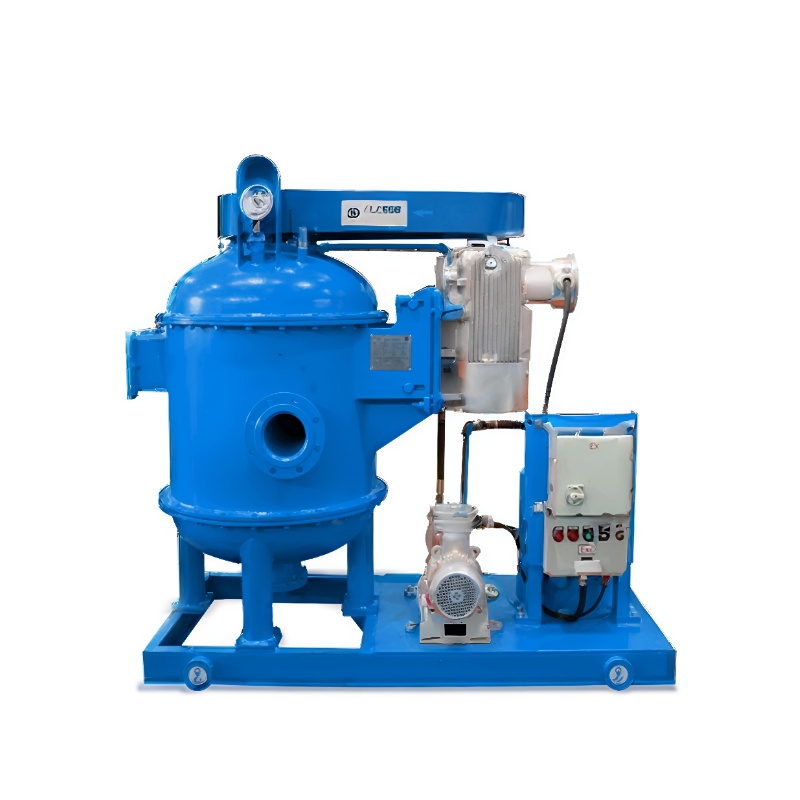
Vacuum Degasser

Request configuration ↗
Vacuum degasser

Technical information

Direct answer: A vacuum degasser removes entrained and dissolved gas from drilling fluid to restore mud weight and pump performance, and is sized by peak gas-cut flow rather than average circulation volume.

Selection & configuration

Final specifications and supply scope are confirmed in the agreed project documents.

Read the buying guide →

Overview

Vacuum Degasser removes entrained gas (methane, H₂S, air) from drilling mud to restore mud density and prevent pump cavitation. Critical safety equipment for gas-cut mud treatment.

Process Capacity

Standard models: 240–320 m³/h. Vacuum level: -0.03 to -0.05 MPa. Gas removal efficiency: ≥95%. Suitable for water-based and oil-based mud.

Safety

Explosion-proof motor ExdIIBT4. Gas vent line routed to safe distance. Vacuum pump with flame arrestor. Stainless steel internals for H₂S service.

Discuss your project

Send us the duty.
We'll shape the system.

WATalk to sales

Frequently asked questions

When does a rig need a vacuum degasser?

Whenever drilling programs include gas-bearing intervals or kill operations that can gas-cut the mud; once gas content destabilises pump suction, degassing is a required safety-related process step.

How is degasser capacity selected?

Size against the maximum expected gas-cut inflow and the mud's retention characteristics; the unit must handle peak, not average, inflow, with margin dictated by your well profile.

Vacuum or atmospheric type?

Vacuum degassers handle higher gas-cut fractions and restore mud properties faster; atmospheric types handle light, steady contamination. Choose against your expected gas severity.

Any installation notes?

Provide sufficient suction head, short suction lines, a dedicated discharge route away from the mud tanks, and verify the vacuum pump performance during commissioning.