
← Solids Control Systems & Equipment

Equipment profile

Shale Shaker

Request configuration ↗
Shale Shaker

Technical information

Direct answer: A shale shaker performs the first and highest-volume separation in a solids control system; selection should start with actual circulating flow and solids type, not headline vibration numbers.

Selection & configuration

Final specifications and supply scope are confirmed in the agreed project documents.

Read the buying guide →

Overview

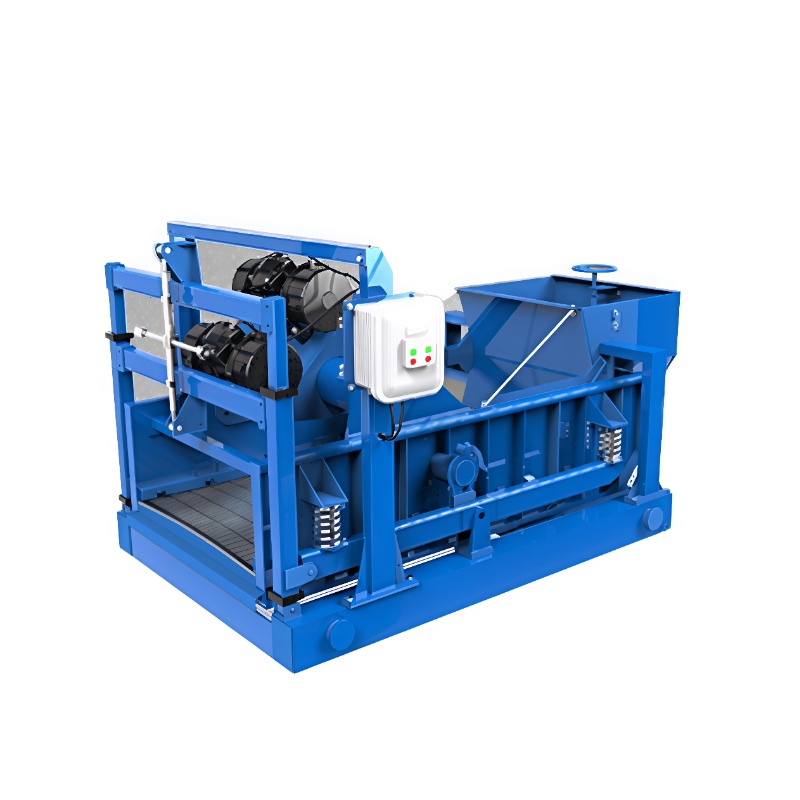
Shale Shaker is the first-stage solids removal equipment in drilling mud circulation. It separates coarse drill cuttings (>74 μm) from returning mud through vibrating screen panels.

Screen Configuration

Multi-deck configuration (single, dual, or triple). Screen API 20–325 mesh range. Pretensioned screen panels, quick-change design. Screening area: 2.4–3.6 m² per deck.

Motion & Drive

Linear motion or elliptical motion. Dual explosion-proof vibrator motors 2×1.5–2.2 kW. Adjustable G-force 6.0–7.5G. Deck angle adjustable -1° to +5°.

Discuss your project

Send us the duty.
We'll shape the system.

WATalk to sales

Frequently asked questions

How many shale shakers does a rig need?

Match total shaker handling capacity to peak circulating flow with margin for highs-viscosity sweeps and lost-circulation events; one shaker should never be the only unit running during screen changes.

Which screen mesh should be run?

Select API 13C-compliant screens against the solids you need to remove and the mud type; finer meshes increase fluid loss if mud properties and shaker capacity do not support them.

Linear or balanced elliptical motion?

Linear motion suits most water-based and oil-based drilling programs; balanced elliptical motion helps with sticky, high-clay solids. Choose by the solids problem, not marketing names.

What should be checked before shipment acceptance?

Verify vibration frequency and throw, screen tensioning system, deck angle adjustment and weir box configuration against the agreed technical schedule.