
← Solids Control Systems & Equipment

Equipment profile

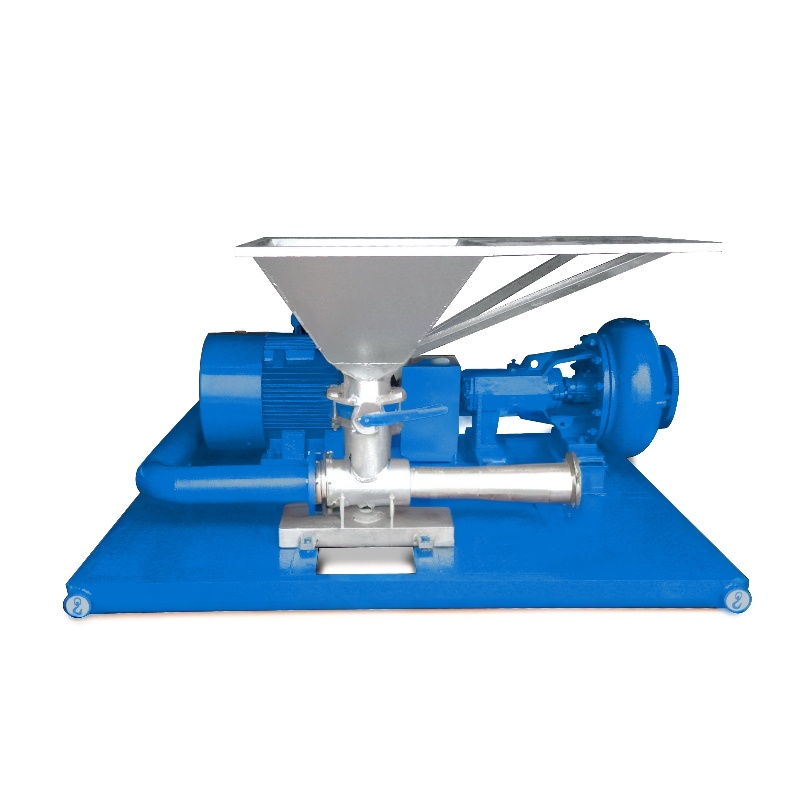
Jet Mud Mixer

Request configuration ↗
Jet mud mixer

Technical information

Direct answer: A jet mud mixer (hopper) adds and shears bulk materials into the active mud system, and is sized by the addition rate demanded by your mixing schedule.

Selection & configuration

Final specifications and supply scope are confirmed in the agreed project documents.

Read the buying guide →

Overview

Jet Mud Mixer is a high-efficiency mixing device utilizing Venturi principle to rapidly mix drilling fluid additives, bentonite, and chemicals into the mud system. No moving parts — low maintenance.

Working Principle

High-pressure mud flow through nozzle creates vacuum in mixing chamber, drawing in dry additives from hopper. Turbulent mixing zone ensures complete hydration and dispersion.

Capacity

Mixing capacity: 90–260 m³/h. Nozzle pressure drop: 0.3–0.5 MPa. Hopper volume: 50–100 L. Suitable for bentonite, barite, polymers, and LCM materials.

Discuss your project

Send us the duty.
We'll shape the system.

WATalk to sales

Frequently asked questions

What addition rate should a hopper support?

Match the peak addition rate of the bulk materials your program uses; undersized hoppers slow every mixing operation and delay well plans.

Jet mixer or dedicated shearing device?

A jet hopper handles standard addition; a dedicated shear unit is added when polymers or clays need high-shear dispersion before dilution.

How is it installed?

Set the hopper at a working height with safe bulk-bag handling, feed clean fluid from a dedicated pump, and verify the venturi jet pattern during commissioning.

What goes wrong if feed pressure is low?

Low feed pressure causes bridging and partial addition: the solids plug the hopper throat and the batch does not reach the design concentration.