
← Solids Control Systems & Equipment

Equipment profile

Decanter Centrifuge

Request configuration ↗
Decanter centrifuge

Technical information

Direct answer: A decanter centrifuge removes fine solids (2-5 μm cut point) from drilling fluid by high-G centrifugal settling, and is normally selected against actual feed solids content, required discharge dryness and process temperature rather than catalogue capacity.

Selection & configuration

Final specifications and supply scope are confirmed in the agreed project documents.

Read the buying guide →

Overview

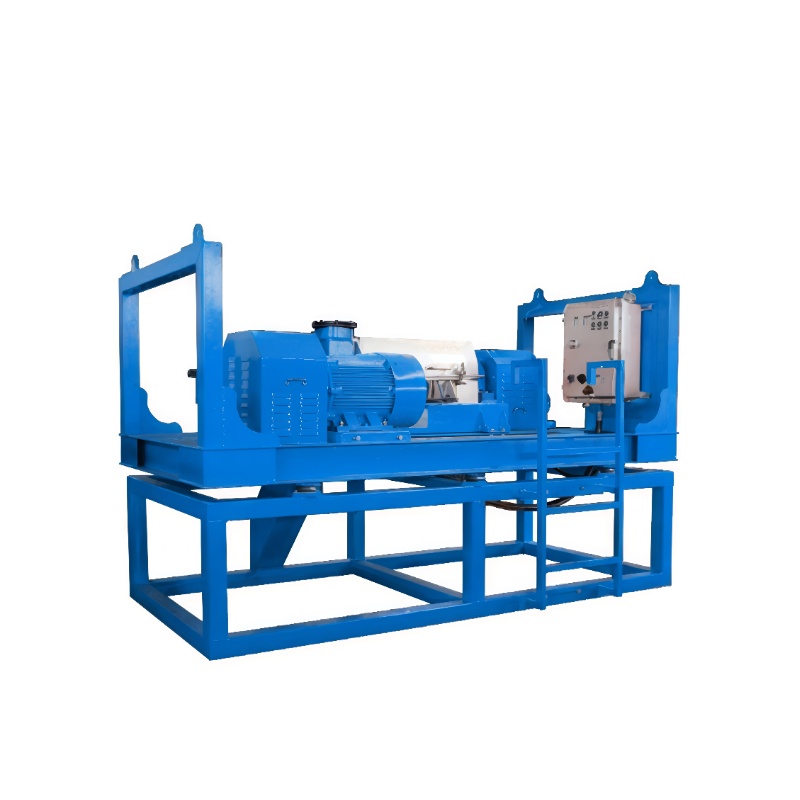
Decanter Centrifuge is a high-G solid-liquid separation device for fine solids removal (2–5 μm) and barite recovery in drilling fluids. Final-stage solids control equipment.

Performance

Bowl diameter: 355–530 mm. Bowl speed: 1800–3200 rpm. G-force: 800–2100G. Processing capacity: 30–60 m³/h. Differential speed: 20–60 rpm via planetary gearbox.

Materials

SS316L stainless steel bowl and conveyor. Tungsten carbide wear tiles at solids discharge ports. Ceramic conveyor flight tips. Double-bearing design for main shaft.

Discuss your project

Send us the duty.
We'll shape the system.

WATalk to sales

Frequently asked questions

When is a decanter centrifuge required in a solids control system?

It is required when barite recovery and fine-solids control beyond shaker and hydrocyclone capability are needed, typically for weighted muds and oily sludge streams where discharge specifications demand finer separation.

How is decanter centrifuge size selected?

Size against actual feed rate, solids loading, temperature and required centrate quality. Bowl diameter and G-force determine settling capacity; treat catalogue capacity as a reference value that must be verified with your process data.

Can one decanter handle both barite recovery and waste-cutting duty?

Only with separate operating windows and qualified feed control. Mixing two duties in one unit without planning leads to unstable centrate quality; most projects run dedicated units per duty.

What maintenance should be planned?

Plan periodic bearing and conveyor wear checks, differential speed verification and balance checks on the rotating assembly, plus feed distribution inspection at the planned service intervals.